About the NZMMMA
Advocating and protecting consumer rights in the memorial industry since 1945
The NZMMMA was founded by a group of like-minded stonemasons who wanted to protect the public’s right to honour the memory of loved ones with a memorial headstone. Today, around one third of New Zealand’s monumental stonemasonry businesses are members of the Association, and together they handle 75% of all monuments erected in the country. We are a recognised industry group in dealings with local and central government.
History of the Association
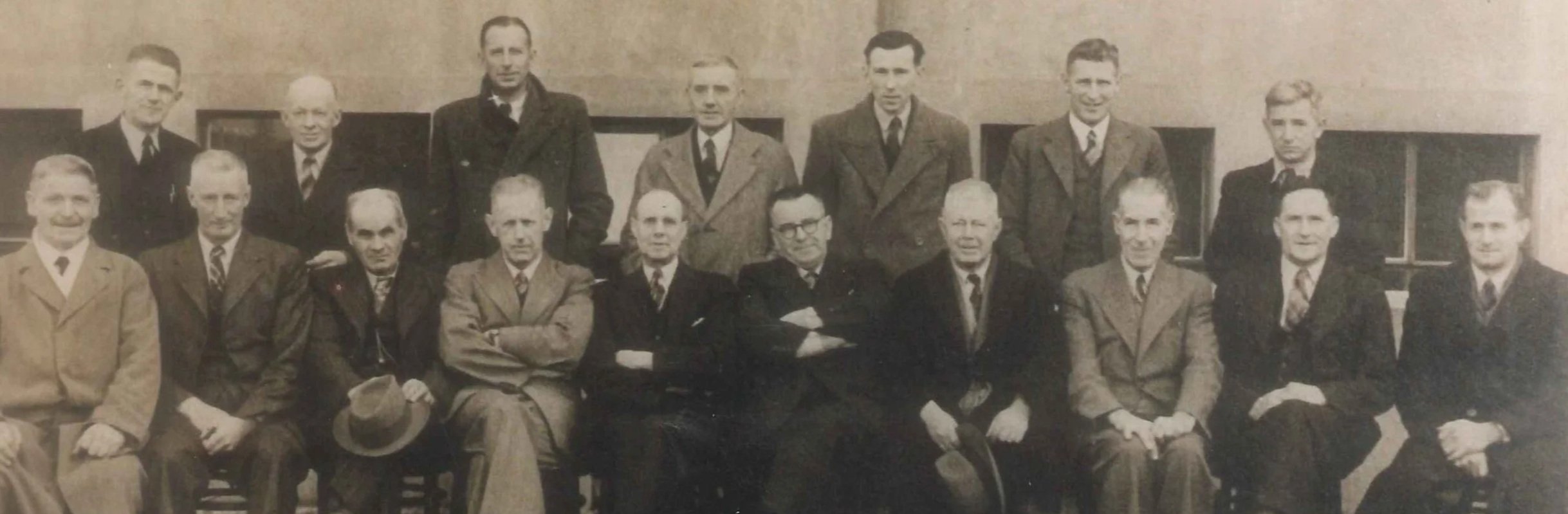
The Association was established near the end of WWII by monumental masons who were concerned about sub-standard construction materials and poor workmanship. They also saw that there was no formal relationship with local authorities and cemetery management, and that clients needed protection from inferior installations.
At the time, many lawn cemeteries were being converted to flat plaque concepts. The Association committed to protecting every client’s basic right to honour the memory of their loved ones with a memorial headstone, in keeping with their own ideals and choice.
The Association sought to assist local authorities with planning advice on cemetery and memorial layout. The opportunity was also taken to ensure that a high standard of workmanship was applied by Association members. This continues today with the membership being required to meet a work experience and skill criteria to maintain professional standards and the integrity of the trade.
Memorial stonemasonry in New Zealand
New Zealand is a young country in terms of monumental masonry. A few memorials were installed before 1850, and numbers grew slowly as migration populated the country.
Early memorials were built from local and imported limestone, sandstone, slate, cast iron and marble. Granite came later. New Zealand had only two sources of local granite, the Coromandel and islands off Bluff, and both are now too expensive to source. Today, a wide range of granite in varying colours is imported from around the world.
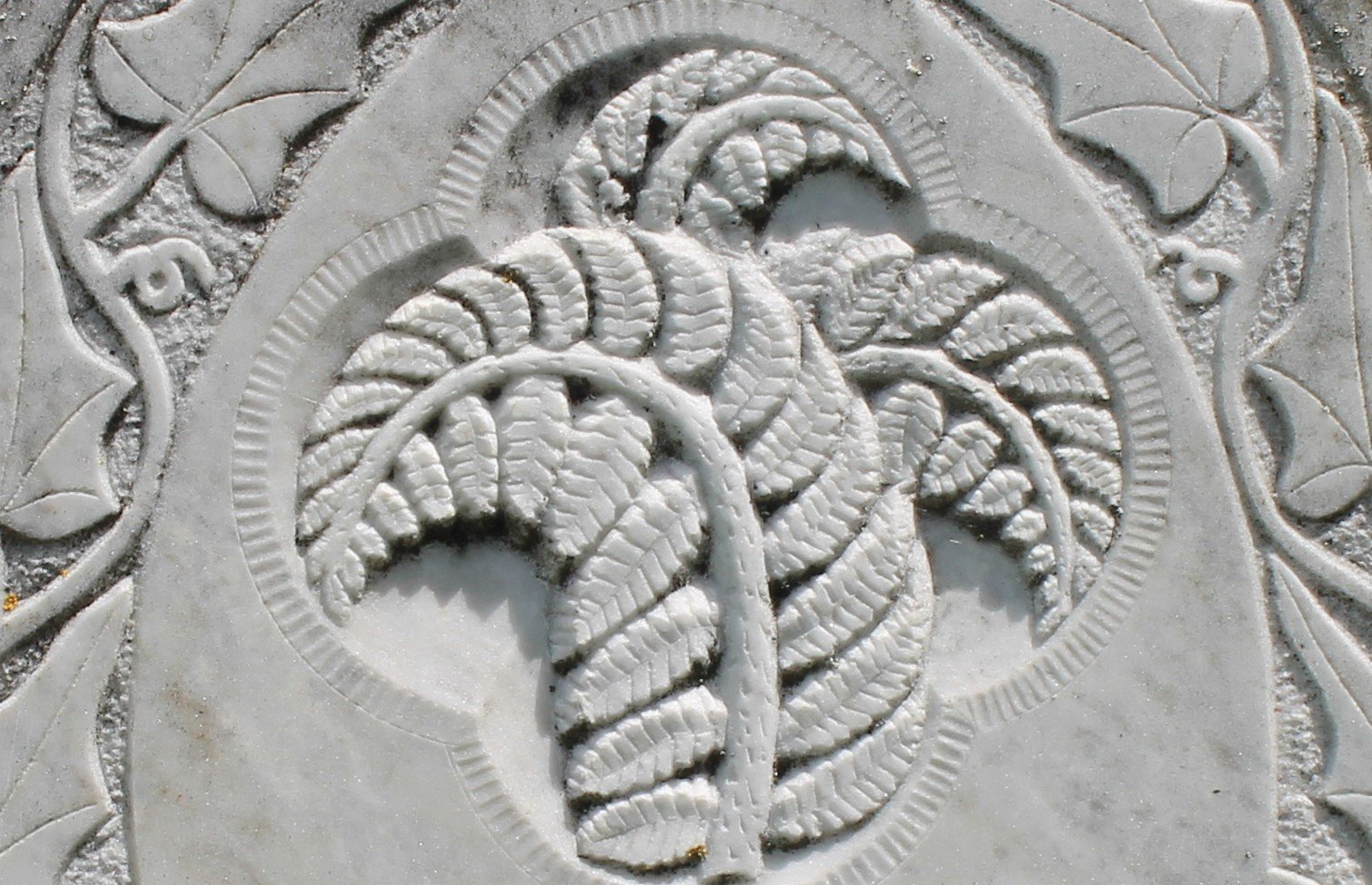
Our older cemeteries, many with historic protection status, feature a wide range of marble memorial styles adorned with symbols relating to death. These were generally carved by Italian craftsmen and imported into New Zealand.
Larger granite styles were later imported, mainly from the UK. As the industry grew, New Zealand factories began importing raw granite block and manufacturing styles to suit changing local tastes. A full cover grave was traditionally installed, but around 1945 this changed to the lawn beam concept we see today.
William Trethewey: A Founding Member
William Trethewey, one of New Zealand’s leading monumental stonemasons and sculptors of the 20th century, became a founding member of the NZMMMA in 1945. He and the Association shared a commitment to every client’s right to choose how to honour the memory of their loved ones with a memorial headstone of their choice.
Early Life
William was born in Christchurch in 1892, the son of Cornish parents Mary Wallace and Jabez Trethewey, a carpenter. He left East Christchurch School at 13 and began work as a wood carver, making items such as finials, fireplaces and bedheads.
After reading about the great Renaissance stonemasons Bernini and Michelangelo, he shifted his focus to monumental masonry. Throughout his working life, he earned his living carving headstones for the people of Canterbury and touching up marble angels imported from Italy. A self-taught sculptor and monumental mason, he went on to create one of New Zealand’s finest First World War memorials.
Notable Works
His significant commissions include:
A life-sized sculpture of Margaret Cruikshanks, the first registered woman doctor in New Zealand, who died in the influenza epidemic of 1918.
A sculpture of Captain James Cook in Christchurch’s Victoria Square.
The Kaiapoi War Memorial, unveiled in 1922. Its unrefined realism broke with the traditional style of memorial, and it was deemed the personification of the Anzac spirit.
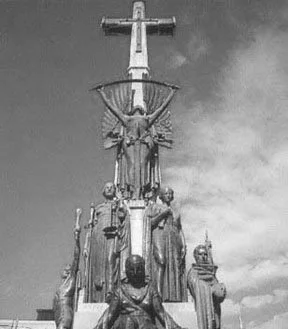
In 1933, Trethewey designed the war memorial next to Christchurch Cathedral in Cathedral Square. He used family and friends as models for its five symbolic bronze figures: Youth, Justice, Peace, Valour and Sacrifice. Peace was modelled on his daughter Pauline, while Youth was one of his workmen, Bob Hampton.
The figures stand at the base of the memorial, which is topped by a 60-foot central cross and an Angel breaking the sword of war. Unveiled in 1937, it was considered a superb balance of forces and proportions, and today it is the focal point for Christchurch’s Anzac Day ceremonies.
Legacy
William Trethewey died of emphysema in 1956, partly brought on by the stone dust he worked amongst his whole life. One of his sons continued the family’s monumental mason business, which was then carried on to a third generation, keeping the Trethewey name alive.
Trethewey was New Zealand’s outstanding home-grown sculptor of the first half of the twentieth century. Because of his sculptural skill, his commitment to New Zealand subjects, and his belief that the bereaved should be able to choose their own memorials, he deserves to be well remembered.