Early stonemasonry in New Zealand
Honouring loved ones over the centuries
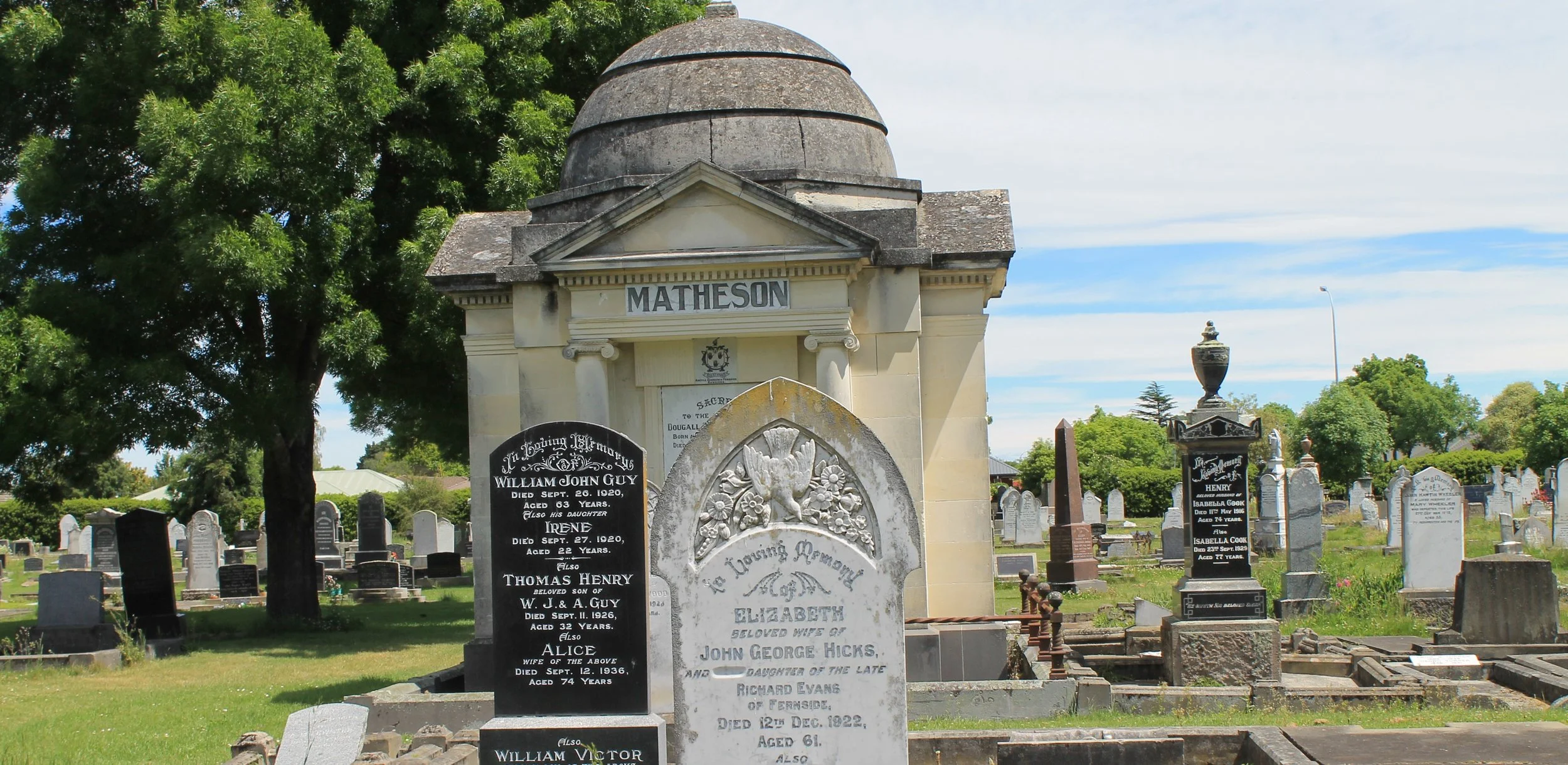
One of the greatest resources New Zealanders have to find out about their families and early history are the country’s oldest European cemeteries and the headstones within them. Whether undertaking a genealogy search for family records or academic research, headstones contain a wealth of historic socially important information.
New Zealand history
New Zealand is a young country in terms of monumental masonry. A few memorials were installed before 1850, and numbers grew slowly as migration populated the country.
Early memorials were built from local and imported limestone, sandstone, slate, cast iron and marble. Granite came later. New Zealand had only two sources of local granite, the Coromandel and islands off Bluff, and both are now too expensive to source. Today, a wide range of granite in varying colours is imported from around the world.
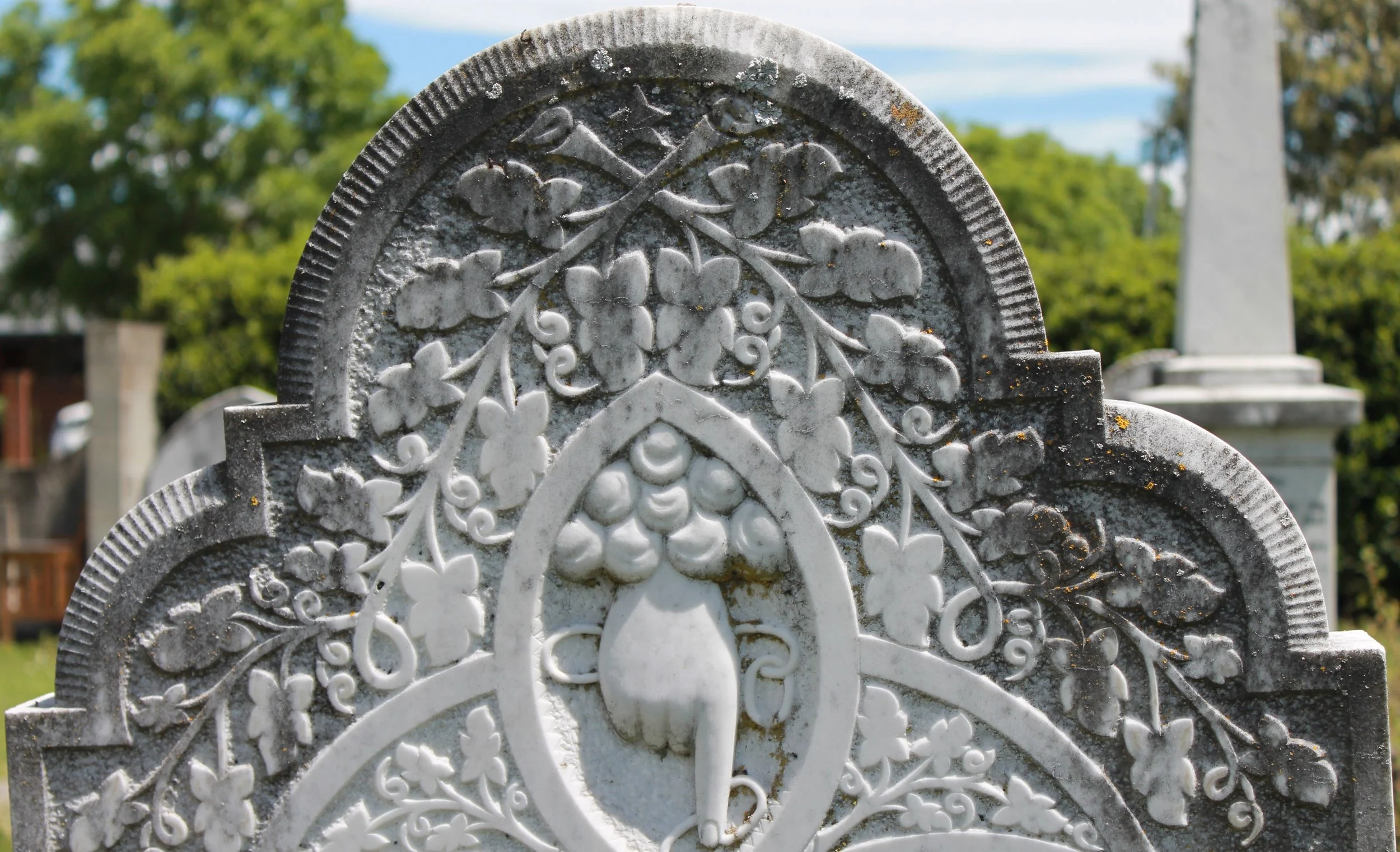
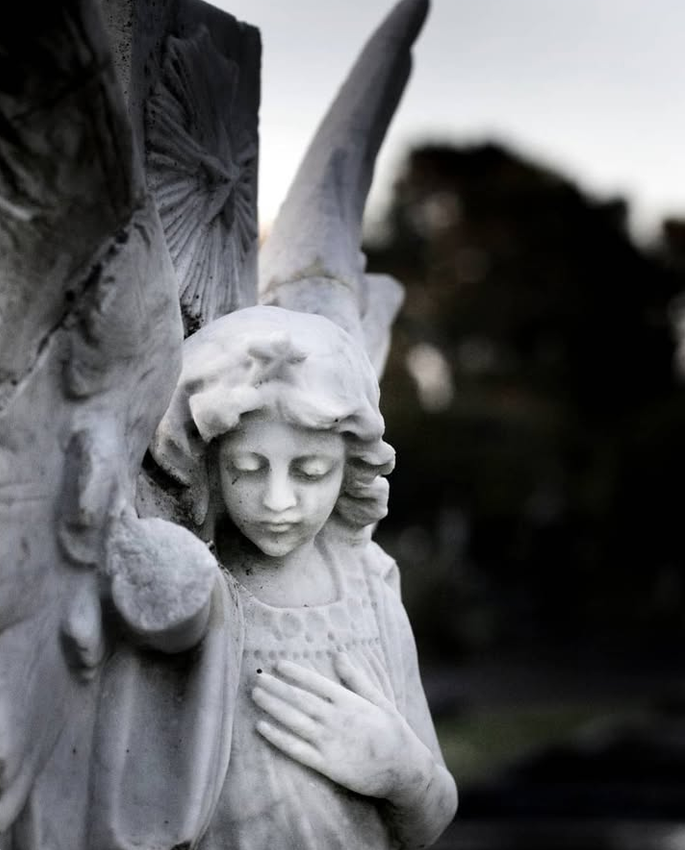
Our older cemeteries, many with historic protection status, feature a wide range of marble memorial styles adorned with symbols relating to death. These were generally carved by Italian craftsmen and imported into New Zealand.
Larger granite styles were later imported, mainly from the UK. As the industry grew, New Zealand factories began importing raw granite block and manufacturing styles to suit changing local tastes. A full cover grave was traditionally installed, but around 1945 this changed to the lawn beam concept we see today.