
History
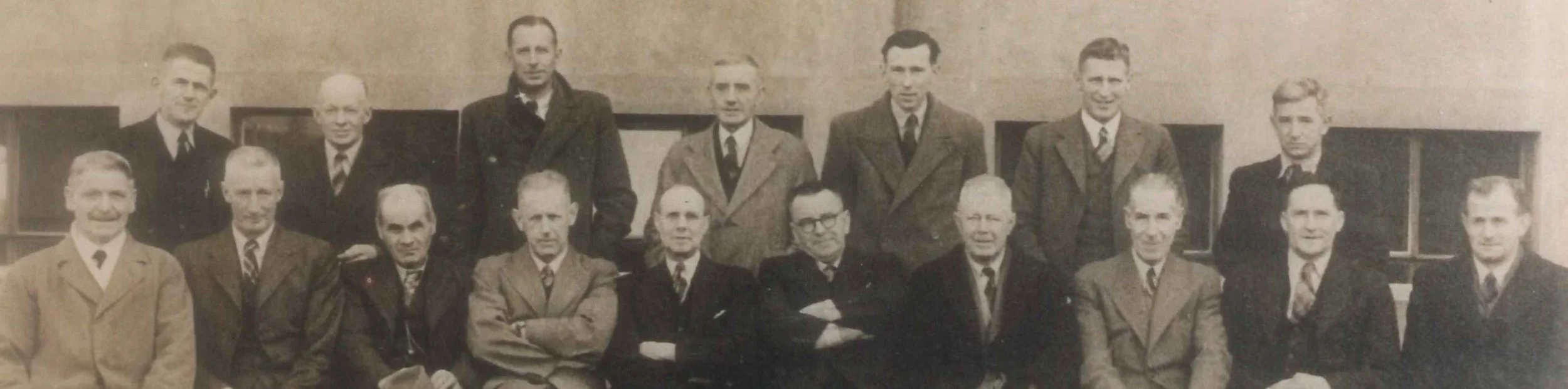
The Association was established near the end of WWII by a group of monumental masons concerned at industry issues.
The Association was established in 1945 near the end of WWII by monumental masons concerned at industry issues such as sub-standard construction material and poor workmanship. In addition they were concerned about the lack of any formal relationship with local authorities and cemetery management and the need to protect clients from inferior installations.
At that time moves were afoot to convert many lawn cemeteries to flat plaque concepts. The Association made a commitment to serve the basic right of the client to honour the memory of their loved ones through the erection of a memorial headstone, in accordance with the individual’s ideals and choice.
The Association sought to assist local authorities with planning advice on cemetery and memorial layout. The opportunity was also taken to ensure that a high standard of workmanship was applied by Association members. This continues today with the membership being required to meet a work experience and skill criteria to maintain professional standards and the integrity of the trade.
New Zealand is a fairly young country in terms of monumental masonry. There were some memorial installations before 1850, increasing slowly as the country become populated through migration. Early memorial units were constructed from local and imported limestones, sandstones, slate, cast iron and marble. Later granite was introduced. There were only two sources of New Zealand granite - the Coromandel and islands off Bluff – both now too expensive to source. A wide range of granite and granite colours is now imported from around the world.
Our older cemeteries, many with historic protection status, display a wide range of marble memorial styles with adornments representing many symbols relating to death. These were generally carved by Italian craftsmen and imported into New Zealand. Later large granite styles were
imported mainly from the UK. As the industry grew, New Zealand factories achieved the ability to import raw granite block and manufacture styles ever-changing for the local client taste. Traditionally a full cover grave was installed but this was changed to the lawn beam concept we see today around 1945.